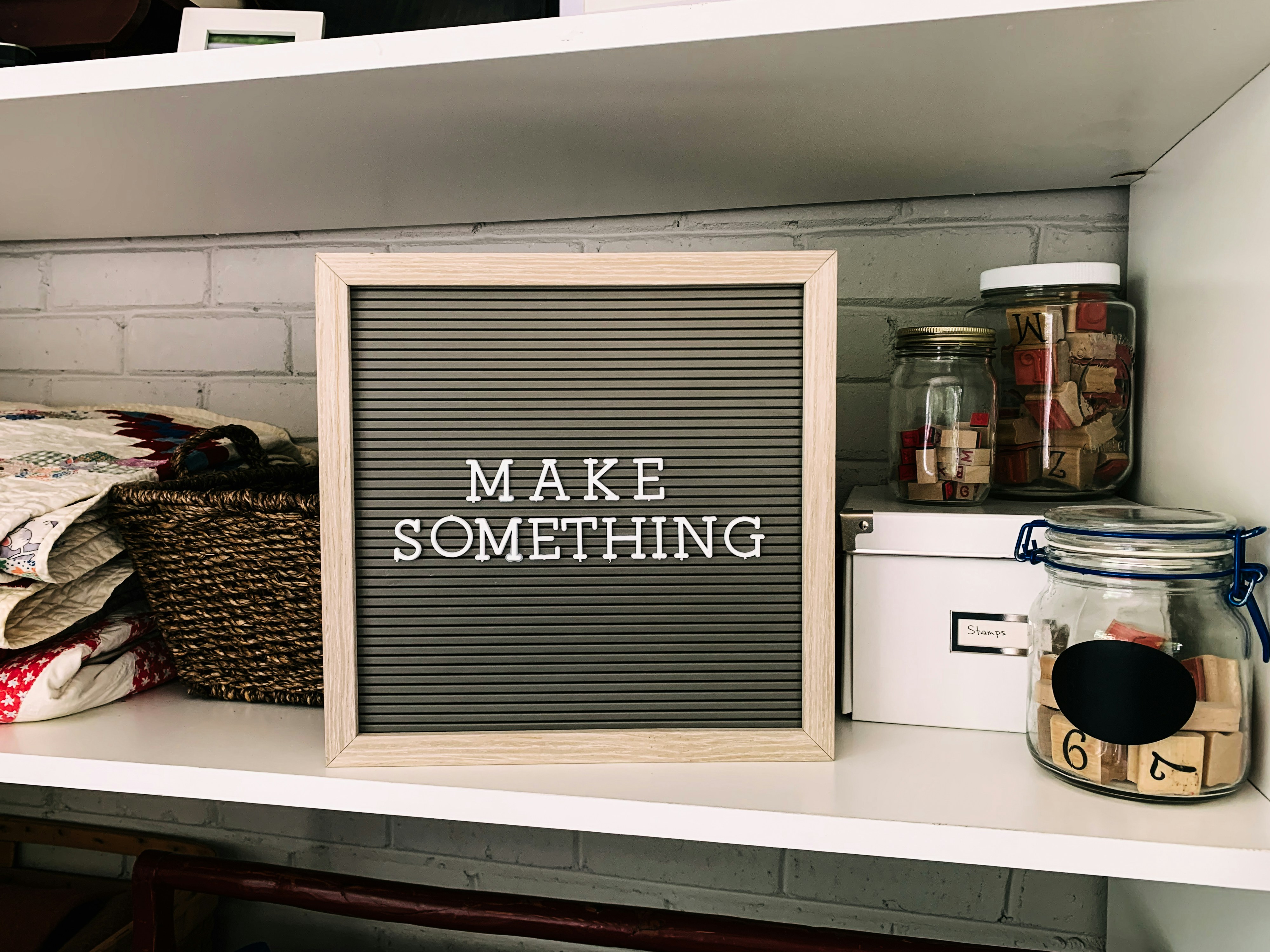
Understanding the DIY Culture
The Do It Yourself (DIY) culture represents a vibrant movement that encourages individuals to create, build, and innovate rather than simply purchasing ready-made products. The origins of DIY can be traced back to the early 20th century when a focus on self-sufficiency was largely embraced, particularly during economic hardships such as the Great Depression and World War II. This ethos has evolved, permeating various aspects of society and fostering a sense of creativity that invites people to take control of their personal environments.
At its core, the philosophy of DIY is grounded in the belief that individuals should have the power to create rather than merely consume. This shift in mindset promotes a hands-on approach, encouraging people to explore their capabilities in crafting, construction, and various other skills. The DIY community plays an integral role in this culture, providing support and inspiration through shared projects, tutorials, and workshops that emphasize collaboration and learning. Social media platforms further amplify this sense of community, allowing enthusiasts to showcase their works and exchange ideas with a wider audience.
Participating in DIY activities fosters a deep sense of pride and accomplishment. Whether it’s building furniture, designing clothing, or upcycling old materials, individuals often experience transformative benefits that extend beyond the tangible outcomes of their projects. Additionally, the DIY culture promotes sustainability, highlighting the potential to reduce waste by repurposing items and minimizing the need for mass-produced products. As such, it can significantly contribute to one’s mental and emotional well-being, offering avenues for stress relief and creative expression.
In essence, understanding the DIY culture requires recognition of its roots in self-sufficiency and creativity, while appreciating the communal aspects that enable enthusiasts to thrive. By engaging with DIY practices, individuals can cultivate personal skills and help shape their environments, demonstrating that creativity is indeed within everyone’s reach.
The Benefits of DIY Projects
Engaging in DIY (Do It Yourself) projects has gained significant popularity in recent years, owing to the multitude of benefits it offers to individuals. One of the most notable advantages is the personal satisfaction derived from creating something with one’s own hands. Successfully completing a project not only boosts self-esteem but also fosters a sense of accomplishment. This pride can enhance personal well-being and encourage further creative endeavors.
Another important aspect of DIY projects is the potential for substantial cost savings. By taking on tasks that might otherwise require professional assistance, individuals can save money on labor costs. Furthermore, DIY allows for a more strategic selection of materials, enabling the purchase of high-quality items at lower prices. For instance, sourcing recycled or salvaged materials can contribute to both budget-friendly and environmentally conscious projects.
Skill development is an additional benefit of engaging in DIY activities. As individuals work on various projects, they acquire new skills that can be invaluable in both personal and professional contexts. Whether it’s learning to sew, paint, or even refurbish furniture, the advancement of these skills can lead to greater confidence in tackling future challenges. Additionally, the accomplishment of mastering new techniques can be quite rewarding.
From an environmental perspective, DIY projects promote sustainability by encouraging the reuse of materials rather than discarding them. This not only reduces waste but also contributes to a more sustainable lifestyle. Many DIY enthusiasts turn to upcycling, transforming old or discarded items into something new and functional, thereby reducing the environmental footprint.
In conclusion, engaging in DIY projects offers numerous benefits, such as personal satisfaction, significant cost savings, skill development, and environmental advantages. As a rewarding and enriching activity, DIY is an excellent way to inspire creativity while making a positive impact on both individual lives and the environment.
Essential Tools for DIY Enthusiasts
For any DIY enthusiast, having the right tools and materials is crucial for the successful execution of projects. A well-stocked toolkit not only facilitates easier handling of tasks but also enhances the overall quality of the work produced. This section will outline some essential tools that form the foundation of a DIY toolkit, along with tips on choosing and maintaining them.
First and foremost, every DIY toolkit should include basic hand tools such as a hammer, screwdrivers, wrenches, and pliers. A quality hammer is vital for driving nails or assembling furniture. When selecting screwdrivers, having a set with various sizes and types, including Phillips and flat-head, ensures that you can tackle different screws efficiently. Wrenches are necessary for loosening or tightening nuts and bolts, while pliers are indispensable for gripping, twisting, or cutting. Investing in high-quality versions of these hand tools can make a considerable difference in ease of use.
In addition to hand tools, power tools such as a drill, saw, and sander can significantly streamline various tasks. A cordless drill is an exceptionally versatile tool, allowing you to drill holes or drive screws without the hassle of cords. A circular saw or jigsaw will enable precise cuts on wood and other materials, while a sander provides a smooth finish on surfaces. When choosing power tools, consider the size of your projects and whether you need portability or greater power.
Tool maintenance is another critical aspect of ensuring longevity and efficiency. Regularly checking for rust, cleaning tools after use, and keeping them stored properly can prevent damage. Additionally, always follow the manufacturer’s instructions regarding care and usage for each specific tool. Proper maintenance not only extends the life of your tools but also guarantees better performance and safety during use.
Popular DIY Projects for Beginners
Embarking on DIY projects can be a rewarding and creative outlet. For those just starting out, various projects can be completed at home with minimal materials and expertise. Here, we outline a handful of popular DIY projects perfectly suited for beginners, each accompanied by a simple step-by-step guide.
1. Homemade Candles
Creating your own candles is not only enjoyable but also allows for personalization. To begin, gather materials such as wax, wicks, a heat-resistant container, and essential oils for fragrance. Start by melting the wax in a double boiler until it reaches a liquid state. Once melted, add your desired fragrance oils. Pour the mixture into your container and insert the wick upright. Allow the candle to cool and solidify for several hours before trimming the wick for use.
2. Simple Home Decor
Transforming plain items into unique decor is a fantastic DIY project. One idea is to create decorative wall art using canvas and paint. Begin by selecting a color palette that matches your home’s aesthetics. Use painter’s tape to create geometric designs on the canvas. Paint within the sections and let it dry. Remove the tape to reveal sharp lines, resulting in a stylish piece of art ready for hanging.
3. Upcycling Furniture
Upcycling old furniture is a sustainable and cost-effective way to spruce up your home. Choose a piece that has seen better days but still holds potential. Start by sanding the surface to prepare for painting or staining. Next, apply a suitable finish—whether it be chalk paint for a rustic look or a glossy paint for a modern appearance. Once dry, accessorize your upcycled furniture with new knobs, handles, or cushions to make it truly your own.
These projects not only enhance your living space but also provide an excellent foundation for developing more advanced DIY skills. As you complete each project, you may find inspiration for new ones, cultivating a more inspired lifestyle.
Seasonal DIY Ideas to Refresh Your Space
Transforming your living space according to the seasons is a delightful way to keep your home feeling fresh and vibrant. Seasonal DIY projects not only add a personal touch to your decor but also reflect changing times, enhancing the overall ambience of your space. With each season presenting unique themes and opportunities, various DIY ideas can be implemented effectively.
In the spring, consider creating vibrant floral arrangements using artificial or fresh flowers. A simple DIY spring centerpiece can bring bright colors and a sense of renewal into your home. Additionally, crafting your own decorative planters can be an enjoyable activity, allowing you to incorporate elements of nature indoors as you prepare for the warmer weather.
As summer approaches, outdoor decorations become a priority. DIY garden markers can facilitate the organization of your plants while adding a decorative touch to your garden beds. Moreover, crafting lanterns or fairy light jars for your outdoor space provides an enchanting atmosphere for summer evenings. These projects not only enhance your garden but also prepare your home for social gatherings.
With the arrival of autumn, the focus shifts to cozy and warm decor. Creating fall wreaths adorned with leaves, pine cones, and rustic ribbons makes an inviting entryway for guests. Additionally, DIY pumpkin decorations, whether real or crafted from various materials, are versatile and can be used on porches or dining tables, reflecting the warm hues of the season.
Finally, winter-themed crafts can bring a delightful charm to your home during the colder months. Handmade ornaments or a DIY advent calendar can foster a sense of nostalgia and joy. Incorporating elements like faux snow and winter foliage can create a winter wonderland, perfect for festive gatherings.
By engaging in seasonal DIY projects, you can revitalize your living spaces, ensuring that your home remains a reflection of the beauty each season brings.
Incorporating Sustainable Practices into DIY Projects
Sustainability has become a critical consideration for many DIY enthusiasts, as people increasingly recognize the impact of their choices on the environment. Incorporating sustainable practices into DIY projects not only benefits the planet but also allows creators to attractively repurpose materials and promote a more mindful approach to crafting. One of the essential steps in achieving sustainability in DIY projects is sourcing materials responsibly. By choosing to shop at thrift stores, online marketplaces for second-hand goods, or local recycling centers, individuals can find unique items that can be transformed rather than contributing to waste. This practice not only supports environmental sustainability but also adds character to the finished product.
Moreover, utilizing recycled items can be an inspiring way to unleash creativity while minimizing ecological impact. For instance, glass jars can be repurposed into stylish storage solutions or decorative vases, while old wooden pallets can be transformed into rustic tables or garden beds. By thinking outside the box and considering novel uses for items that may otherwise end up in landfills, DIYers can embrace a circular economy in their projects. Such creativity not only fulfills the immediate need for materials but promotes an overall sustainable lifestyle that emphasizes reuse and resourcefulness.
Furthermore, when selecting materials for their DIY projects, crafters should opt for eco-friendly designs. This entails using paints, adhesives, and finishes that are low in volatile organic compounds (VOCs) and free from harmful chemicals. Additionally, many artisans are now turning to natural materials such as bamboo or organic cotton, which are renewable resources and have a relatively low environmental impact. By incorporating such sustainable choices into their projects, individuals can create beautiful, functional items that align with eco-conscious values.
In conclusion, embracing sustainable practices in DIY projects is not only beneficial for the environment but also enhances the creativity and character of the finished products. By sourcing materials responsibly, utilizing recycled items, and choosing eco-friendly designs, DIY enthusiasts can contribute to a more sustainable lifestyle while enjoying the art of creation.
Inspiration from DIY Communities and Resources
In the vibrant world of DIY, inspiration can often be found through a multitude of communities and resources available both online and offline. Numerous platforms have emerged that cater specifically to DIY enthusiasts, offering a rich tapestry of ideas, support, and creativity.
Online platforms such as Pinterest and Instagram serve as visually stimulating arenas where individuals can explore an endless array of DIY projects. These platforms allow users to create boards or collections that resonate with their personal tastes, making it easier to keep track of ideas and designs. Moreover, social media groups dedicated to DIY are plentiful. Joining these groups can facilitate interaction with like-minded individuals, share insights, ask questions, and garner assistance on projects. Facebook groups, in particular, are excellent resources for both novice and seasoned DIYers, providing a supportive environment for sharing projects and experiences.
Influential blogs remain a cornerstone for DIY motivation. Websites such as DIY Network and A Beautiful Mess feature detailed tutorials, inspiring stories, and creative concepts that can help spark your next project. Additionally, YouTube channels like Home Repair Tutor and Simply Nailogical provide video tutorials that make complex DIY techniques more accessible and relatable. These creators often showcase their own projects or provide step-by-step guides, making their content invaluable for those looking to enhance their skills.
For those who prefer hands-on experiences, local workshops and events offer a fantastic way to connect with other DIY enthusiasts while developing new skills. Many craft stores and community centers host regular classes that cover a range of DIY topics, from woodworking to home decor. Participating in such events not only enriches one’s abilities but also fosters a sense of community within the DIY culture.
In summary, the world of DIY is brimming with resources and communities that can greatly enhance one’s creative journey. From online platforms and inspirational blogs to local workshops, there are myriad avenues for finding motivation and support in your DIY endeavors.
Combining DIY with Mindfulness Practices
The practice of engaging in do-it-yourself (DIY) projects offers numerous benefits that extend beyond mere creativity and functionality. When combined with mindfulness practices, these activities can profoundly enhance mental health and overall well-being. Mindfulness, which emphasizes presence and awareness in the current moment, aligns seamlessly with the tactile and immersive nature of DIY projects.
Hands-on activities, such as crafting, woodworking, or gardening, serve as effective forms of meditation. These projects require individuals to focus on the present moment, drawing attention away from stressors and anxiety. As one carves, assembles, or plants, the rhythmic motions and creative process allow for a meditative state to unfold. This can be particularly beneficial in our fast-paced society, where distractions are abundant, and mental clutter often prevails.
In addition to promoting mindfulness, engaging in DIY work provides a sense of accomplishment. Completing a project—from refurbishing an old piece of furniture to creating homemade decor—can instill feelings of pride and satisfaction. This sense of achievement can, in turn, empower individuals, enhancing their self-esteem and fostering a positive mindset.
Moreover, the social aspect of DIY can amplify its positive effects on mental health. Collaborating on projects with friends or family members not only encourages relationship-building but also nurtures a supportive environment. Sharing ideas and successes reinforces community bonds and creates opportunities for meaningful connections. This sense of belonging is vital for promoting emotional health and resilience.
Ultimately, integrating DIY projects into mindfulness practices can lead to a holistic approach to well-being. The synthesis of creativity, focus, and accomplishment assists in cultivating a balanced lifestyle. This intersection invites individuals to embrace the therapeutic potential of hands-on activities, fostering a deeper connection with themselves and their surroundings.
Sharing Your DIY Creations and Experiences
In the realm of DIY, sharing your creations and experiences plays a significant role in fostering a vibrant community. Engaging with others allows for the exchange of ideas, techniques, and inspiration, which can enrich your own projects while encouraging fellow enthusiasts. Platforms devoted to DIY projects, such as blogs and social media, serve as excellent avenues to showcase your work and connect with like-minded individuals.
When you share your DIY projects, whether they are crafts, home improvement tasks, or artistic endeavors, you not only highlight your creativity but also invite feedback from peers. Community feedback can be invaluable; it offers fresh perspectives that may help you refine your skills, troubleshoot challenges, and gain confidence in your creations. The beauty of sharing lies in the collaborative spirit of the DIY culture, where you not only share what you have accomplished but also learn from the diverse experiences of others.
Moreover, showcasing your work is a source of great joy. Platforms such as Instagram, Pinterest, or dedicated DIY blogs are ideal for visual storytelling, allowing you to illustrate the process and final results of your projects. By documenting your journey, you create an engaging narrative that inspires others to embark on their projects. Sharing tutorials or before-and-after transformation photos can motivate your audience to realize their visions, enhancing the collective creativity within the community.
Crucially, the conversations sparked by sharing foster a sense of belonging and support. When creators come together to celebrate each other’s achievements, they build connections that can lead to collaborations, partnerships, and lasting friendships. Therefore, actively participating in discussions, leaving thoughtful comments, and acknowledging others’ efforts can create a nurturing environment conducive to growth and innovation within the DIY space.
Utilizing these platforms to share your DIY experiences is a rewarding practice that benefits both you and the broader community. It encapsulates the spirit of creativity and collaboration, encouraging everyone to continue creating and sharing their unique projects.